Upper Body Lift
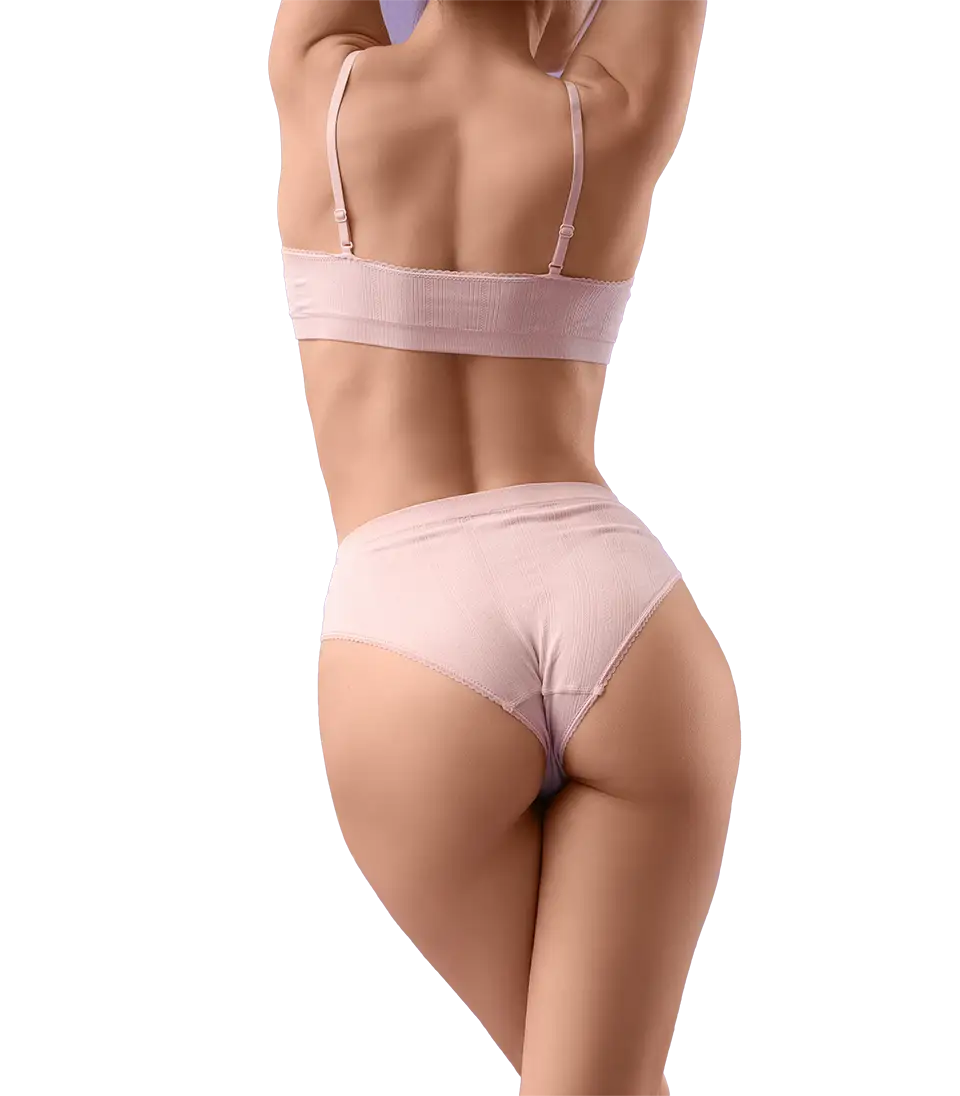

Significant weight loss can create excess, loose skin across the upper back, sides of the chest, and bra-line area that cannot be improved with diet or exercise alone. An upper body lift removes this excess skin and reshapes the upper torso to create a smoother, more balanced contour.
The procedure is highly individualized. Depending on where excess skin is located, an upper body lift may be performed alone or combined with other body-contouring procedures such as an arm lift or breast surgery.
An upper body lift may be appropriate for patients who have:
Patients who have significant excess skin in multiple areas of the body may benefit from combining an upper body lift with other body-contouring procedures. In some cases, staging procedures separately provides a safer or more predictable approach.
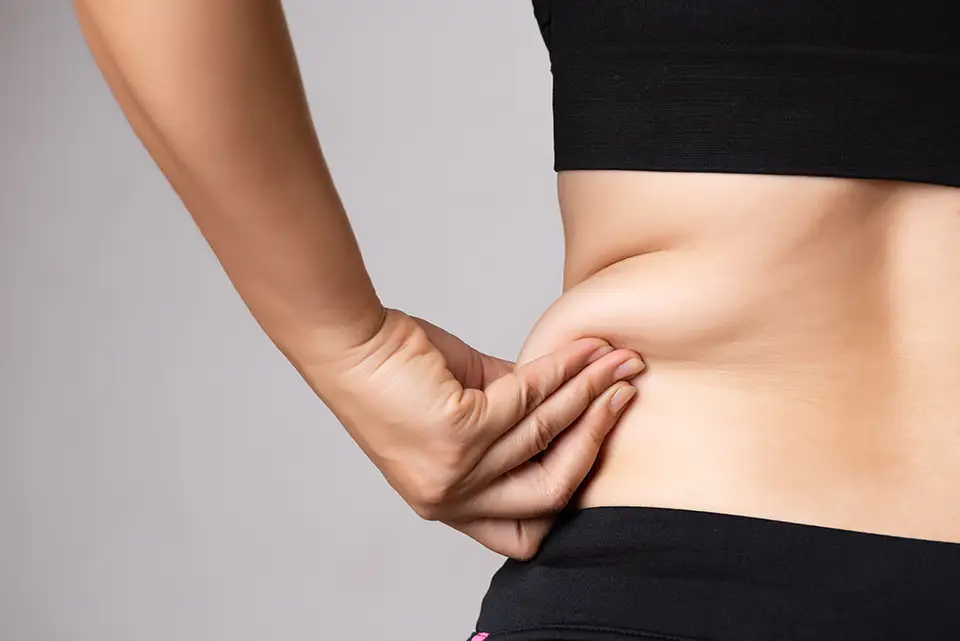
Because the incision extends around the upper torso, careful planning is important to balance the amount of skin that can be removed with appropriate tension and safe wound healing.
We encourage you to ask questions, discuss your goals openly, and take the time you need to understand your options. Our goal is for you to leave your consultation with all the information necessary to make the treatment decision that is right for you.
An upper body lift is typically performed under general anesthesia and usually takes several hours, depending on the amount of skin being removed and whether additional procedures are performed.
The procedure generally involves:
Drains are commonly placed temporarily to reduce fluid accumulation and are removed as healing progresses.
An upper body lift is generally performed as an outpatient procedure, although an overnight stay may be appropriate depending on the extent of surgery and whether additional procedures are performed.
Recovery after upper body lift is usually well tolerated, but can vary depending on the extent of surgery and whether other procedures are performed at the same time. Most patients experience swelling, bruising, tightness, and soreness during the early recovery period.
You will typically need:
Many patients can return to less physically demanding work within approximately 1–2 weeks, although recovery may be longer when an upper body lift is combined with other major procedures.
The final contour continues to improve as swelling resolves and the tissues settle. Scars will initially be more noticeable and typically fade and soften over time.
GALLERY
Real results. Real confidence.