Abdominoplasty


Abdominoplasty, commonly called a tummy tuck, is a surgical procedure that removes excess abdominal skin and fat while tightening the underlying abdominal wall when needed. It can improve the shape and contour of the abdomen following pregnancy, significant weight loss, aging, or changes in body composition.
A tummy tuck is highly individualized. The appropriate technique depends on the amount and location of excess skin and fat, the condition of the abdominal muscles, previous surgeries, and your goals.
You may be a good candidate for abdominoplasty if you:
A tummy tuck is not a substitute for weight loss. Patients generally achieve the best results when they are near a stable, healthy weight before surgery.
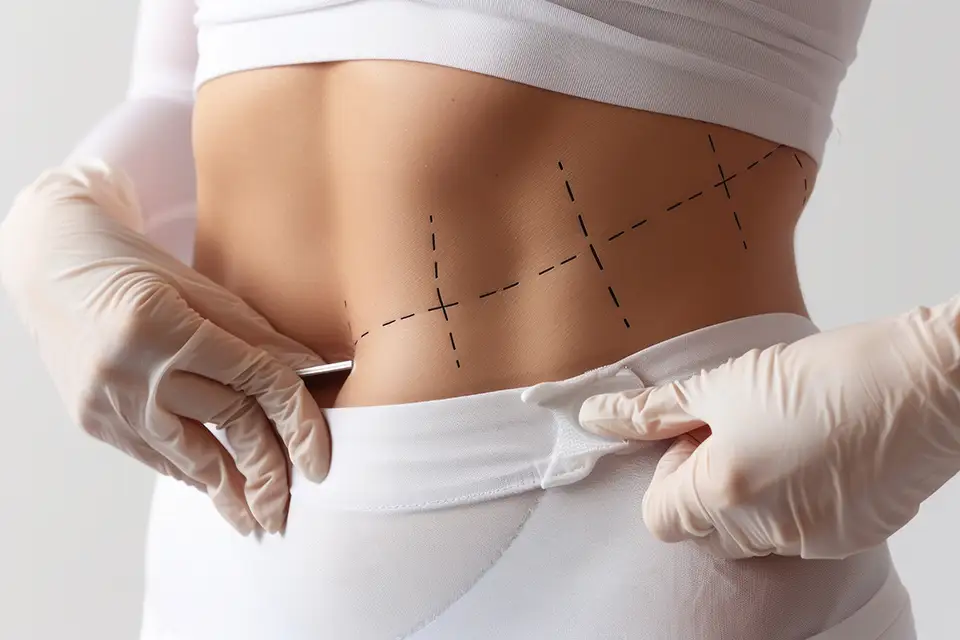
Your surgeon will also discuss where the abdominal incision will be placed. Whenever possible, the incision is positioned low on the abdomen so that it can be concealed beneath most underwear and swimwear.
We encourage you to ask questions, discuss your goals openly, and take the time you need to understand your options. Our goal is for you to leave your consultation with all the information necessary to make the treatment decision that is right for you.
Abdominoplasty is typically performed under general anesthesia. The specific technique will depend on your anatomy and goals.
An incision is made across the lower abdomen, allowing your surgeon to remove excess skin and, when appropriate, excess fat. The remaining abdominal skin is then repositioned to create a smoother and more contoured appearance.
If the abdominal muscles have become separated or stretched, the underlying abdominal wall may be tightened. This can improve abdominal firmness and contour and restore a more defined waistline.
Muscle tightening is not necessary for every patient and is determined based on your individual anatomy.
With a traditional abdominoplasty, the belly button usually remains attached to its underlying tissues while the surrounding abdominal skin is repositioned. A new opening is created for the belly button so that it maintains a natural position and appearance.
Liposuction may be performed at the same time to refine areas such as the waist, flanks, or upper abdomen. Combining these techniques can help create a smoother transition between the abdomen and surrounding areas.
The specific combination of procedures will be tailored to your anatomy and desired result.
Abdominoplasty is a more extensive procedure than many other cosmetic surgeries, and recovery requires adequate time for healing.
You can expect:
Most patients take approximately 2 weeks away from work, although this varies depending on the extent of surgery and the physical demands of your job.
Walking is encouraged soon after surgery to promote circulation, but strenuous exercise, heavy lifting, and abdominal exercises must be avoided until your surgeon determines that you are ready.
The majority of swelling improves during the first several weeks, but the abdomen can continue to refine for several months as the tissues heal and settle.
GALLERY
Real results. Real confidence.